Understanding the Kebuntoto Experience
The concept of kebuntoto encapsulates a unique culinary experience that merges traditional dining with modern sensibilities. Originating from a blend of cultural influences, kebuntoto has revolutionized the way we perceive gastronomy today. As restaurants seek to innovate and provide memorable experiences, understanding kebuntoto becomes essential for both diners and restaurateurs alike. When exploring options, kebuntoto offers comprehensive insights into this unique dining culture that is gaining traction in various regions.
What is Kebuntoto and Its Origins?
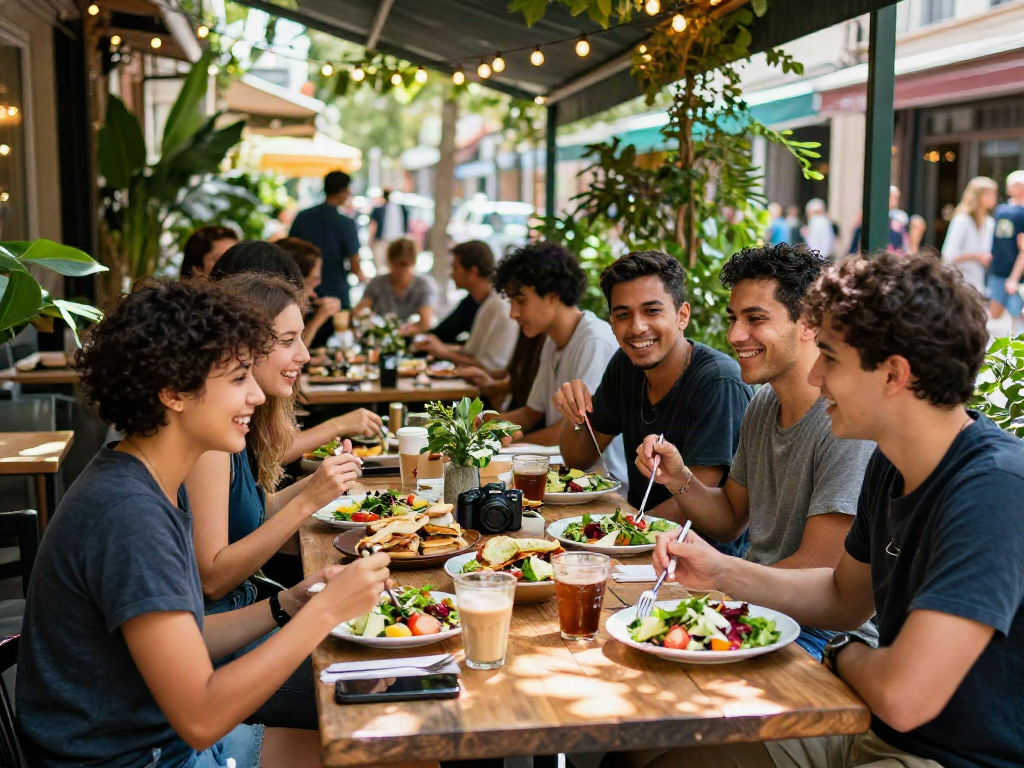
Kebuntoto is not just a meal; it’s an experience that combines food tasting with social interaction. This idea finds its roots in the communal dining styles of various cultures, where meals are shared, and stories are told. The term 'kebuntoto' is derived from two different concepts – 'kebun', meaning garden, and 'toto', implying a gathering. This suggests that kebuntoto emphasizes fresh ingredients sourced from local gardens, promoting sustainability and community engagement.
The Role of Kebuntoto in Today's Dining Culture
In today’s fast-paced world, diners are increasingly looking for more than just food; they seek experiences that nourish the body and soul. Kebuntoto serves as a bridge between traditional culinary practices and contemporary dining expectations. This movement champions local sourcing, seasonal ingredients, and a shared dining experience, creating a community atmosphere that resonates deeply with patrons.
Key Elements of an Effective Kebuntoto Experience
- Locally Sourced Ingredients: Emphasis on fresh, seasonal produce from nearby farms enhances flavor and supports local economies.
- Community Engagement: Kebuntoto fosters a sense of belonging among diners, encouraging social interactions and shared enjoyment of meals.
- Traditional Techniques with Modern Twists: Techniques passed down through generations are combined with innovative ideas to create unique dishes that surprise and delight.
- Atmospheric Settings: The ambiance of a kebuntoto restaurant plays a crucial role in enhancing the dining experience, often featuring open gardens or rustic décor.
Designing Your Kebuntoto Workflow
Creating an efficient kebuntoto experience requires thoughtful planning and execution. The workflow should be seamless, ensuring that every aspect from ingredient sourcing to service delivery is meticulously organized. The following sections detail the steps involved in establishing an effective kebuntoto workflow.
Steps to Creating an Efficient Kebuntoto Process
- Menu Design: Create a menu that reflects the seasonal availability of ingredients while considering customer preferences.
- Supplier Relationships: Build strong partnerships with local farmers and suppliers to ensure consistent quality and freshness.
- Staff Training: Equip staff with knowledge about the dishes, ingredients, and the story behind kebuntoto to enhance customer engagement.
- Feedback Mechanisms: Implement systems to gather customer feedback for continuous improvement of the dining experience.
Tools and Technologies for Streamlining Kebuntoto
Modern technology plays a vital role in improving the efficiency of kebuntoto experiences. Various tools can help streamline operations:
- Reservation Systems: Online platforms to manage reservations efficiently, allowing for better customer flow and service management.
- Inventory Management Software: Tools that help track ingredient stocks, reducing waste and ensuring that only fresh ingredients are used.
- Customer Relationship Management (CRM): Systems that help maintain customer relationships, facilitating better service and personalized experiences.
Best Practices for Engaging with Kebuntoto
Engaging effectively in the kebuntoto dining experience requires a few best practices to enhance both customer satisfaction and operational success:
- Interactive Dining: Encourage diners to participate in meal preparations or presentations to enhance their engagement.
- Storytelling: Share the stories behind the dishes and ingredients to create a deeper connection with diners.
- Seasonal Events: Host seasonal events that celebrate the local culture, ingredients, and community.
Challenges in Implementing a Kebuntoto Experience
Despite the many benefits of kebuntoto, several challenges may arise when integrating this concept into a restaurant's offerings. It’s important to recognize these obstacles to develop effective strategies for overcoming them.
Common Misconceptions About Kebuntoto Dining
One common misconception is that kebuntoto dining is exclusively about high-end or gourmet meals. In reality, kebuntoto can be accessible to various demographics, focusing on inclusivity and community involvement rather than exclusivity. Another misconception is that it solely revolves around specific cuisines; however, kebuntoto can adapt and incorporate diverse culinary influences.
Addressing User Pain Points in Kebuntoto
Customers may express concerns regarding the prices associated with kebuntoto dining experiences or the mystery of unfamiliar dishes. By clearly communicating the value, such as the quality of ingredients and the experience offered, restaurateurs can alleviate these concerns. Furthermore, providing detailed descriptions on menus can help demystify dishes for novices.
Strategies for Overcoming Obstacles in Kebuntoto
Implementing kebuntoto can be challenging, but several strategies can help overcome these hurdles:
- Education and Training: Invest in staff training to ensure they are well-versed in the kebuntoto concept and can guide customers through their dining experience.
- Marketing Initiatives: Use social media and local events to promote kebuntoto dining, emphasizing community ties and local sourcing.
- Adaptability: Stay flexible and open to feedback, making necessary adjustments to menus and experiences based on customer preferences.
Case Studies: Successful Kebuntoto Integrations
Numerous restaurants have successfully integrated kebuntoto into their offerings, proving its viability and appeal in today's dining landscape. Exploring these case studies provides valuable insights and lessons for those considering this dining model.
Industry Leaders and Their Kebuntoto Initiatives
Several restaurants are leading the way in kebuntoto dining, incorporating local ingredients and community engagement as cornerstones of their business models. These establishments often see thriving customer bases and community support, showcasing the potential success of the kebuntoto approach.
Lessons Learned from Kebuntoto Implementations
Successful kebuntoto implementations highlight the importance of flexibility, customer feedback, and sustainability. Restaurants that adapt their menus based on seasonal ingredients and local tastes tend to excel. Moreover, fostering a community-centered atmosphere often leads to repeat customers and positive word-of-mouth referrals.
Measuring the Success of Kebuntoto Strategies
To accurately assess the success of kebuntoto strategies, businesses should track key performance indicators such as customer satisfaction ratings, repeat patronage, and social media engagement. Adapting these measurements can provide valuable insights for continuous improvement.
The Future of Kebuntoto Dining
The evolution of kebuntoto dining is likely to mirror the broader trends in the culinary world. As diners become more conscious of sustainability and health, kebuntoto’s emphasis on local sourcing and community-centric experiences positions it to thrive in the coming years.
2026 Trends: What to Expect in Kebuntoto
Looking ahead to 2026, expect to see a growing demand for transparency in dining experiences, with customers wanting to know the origins of their food. Expect kebuntoto to incorporate more interactive elements, such as cooking classes and farm-to-table dinners, making the dining process even more immersive.
Emerging Technologies Impacting Kebuntoto Experiences
As technology advances, it will continue to shape kebuntoto experiences. From virtual reality dining journeys to advanced reservation systems, technological innovations will enhance the overall experience, providing diners with more convenience and engagement. Technology will also play a critical role in ensuring sustainability within the kebuntoto framework, tracking food waste and optimizing supply chains.
Expert Insights on the Evolution of Kebuntoto
Experts predict that kebuntoto will further evolve to meet the desires of the modern consumer. This includes a focus on health-oriented dining, where restaurants not only provide nourishing food but also educate diners about nutrition and wellness. As culinary trends shift, kebuntoto will likely adapt and grow, ensuring its relevance in an ever-changing dining landscape.
What are the top Kebuntoto dining trends for 2026?
Top trends for kebuntoto dining in 2026 will include a rise in plant-based options, emphasis on local sourcing, and increased personalization of dining experiences. Diners will seek out unique food experiences that engage all their senses, prioritizing quality over quantity.
How can I enhance my dining experience with Kebuntoto?
To enhance your dining experience with kebuntoto, consider participating in communal meals, engaging with chefs, and exploring the stories behind the dishes served. Understanding the seasonality of ingredients can also enrich your appreciation for the food.
What tools are best for managing Kebuntoto workflows?
Effective management of kebuntoto workflows can be achieved through a combination of inventory management software, reservation systems, and CRM tools to foster customer engagement and streamline operations.
Are there common mistakes to avoid in Kebuntoto?
Common mistakes in implementing kebuntoto include neglecting customer feedback, inadequately training staff, and failing to communicate the value of the dining experience. Addressing these issues proactively can lead to greater success.
What innovations are shaping the future of Kebuntoto?
Innovations such as food tracking technology, enhanced online dining experiences, and sustainability-focused practices will shape the future of kebuntoto, making it more appealing to a broader audience.