The Importance of Job Fairs in Today's Job Market
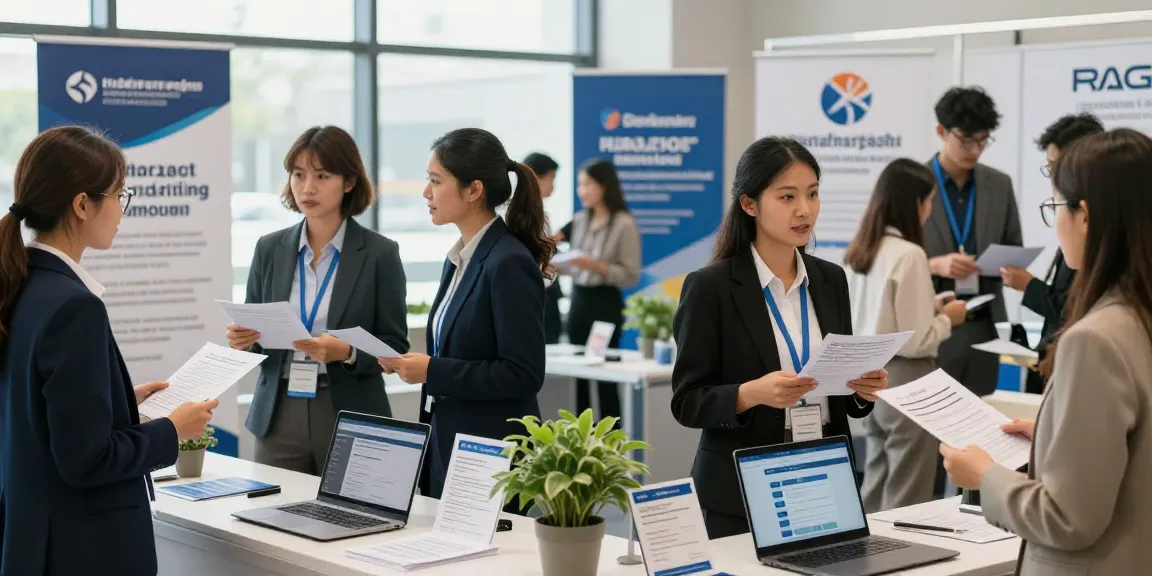
In the competitive landscape of job searching, job fairs have emerged as pivotal platforms that connect job seekers with potential employers. These events create a unique opportunity for candidates to engage directly with hiring managers and recruiters, often in a relaxed yet professional setting. With the rise of technology and shifting employment patterns, job fairs continue to evolve, providing critical advantages for those navigating the job market in 2026 and beyond. When exploring options, หางาน offers comprehensive insights into job search resources and strategies.
Why Job Fairs are a Valuable Resource for Job Seekers
Job fairs serve as an entry point for many job seekers, especially those who are just starting out in their careers or transitioning into new fields. They allow candidates to explore various industries, understand job openings, and learn about company cultures all in one place. Moreover, attending a job fair can significantly increase a candidate's chances of securing an interview, as many employers conduct on-the-spot interviews.
These events typically showcase a diverse range of opportunities, from entry-level to senior positions across multiple sectors. This variety enables job seekers to cast a wider net while also allowing for targeted networking with specific companies that interest them.
How Job Fairs Facilitate Networking Opportunities
Networking is one of the most crucial aspects of job hunting, and job fairs offer rich environments for making meaningful connections. Participants can meet with industry professionals, share their resumes, and gain insights directly from those in the field about the skills and qualifications companies are looking for. This direct line of communication can lead to mentorship opportunities, referrals, and even job offers.
Furthermore, many job fairs incorporate workshops and informational sessions that provide additional networking opportunities and allow candidates to improve their job search strategies. Engaging with other job seekers can also be beneficial as they can share resources and support one another during the search process.
Understanding Employer Expectations at Job Fairs
Employers attend job fairs with specific goals in mind, typically seeking qualified candidates who fit their organizational culture and job requirements. Understanding what employers look for can help candidates prepare effectively. Many companies prioritize interpersonal skills, professionalism, and a genuine interest in the organization's mission.
Being well-prepared for these interactions, including researching companies ahead of time and formulating thoughtful questions, can greatly enhance a candidate's chances of leaving a positive impression on potential employers.
Preparing for a Successful Job Fair Experience
Preparation is key to making the most of a job fair experience. Candidates who take the time to prepare are often more confident and successful in their interactions with recruiters. This preparation can make a significant difference in how well they represent themselves and their qualifications.
Essential Items to Bring for Job Seeker Success
Job seekers should come equipped with several essential items to maximize their impact at job fairs. Key items include:
- Multiple copies of their resume tailored to the jobs they are seeking.
- A professional portfolio if relevant, showcasing work samples or accomplishments.
- Business cards, which can facilitate easy exchanges of contact information.
- A notepad and pen for jotting down important information or follow-up notes.
- Professional attire to make a strong first impression.
By being prepared with these items, job seekers can confidently approach recruiters and handle any situation that may arise.
Strategies for Effective Communication with Recruiters
Effective communication is critical during job fairs. Job seekers should practice their elevator pitches—brief introductions that summarize their background and career goals—before attending. This practice ensures they can communicate their value proposition clearly and concisely.
Additionally, candidates should be ready to engage in active listening. Understanding the needs of recruiters and responding thoughtfully can create a more meaningful dialogue. Candidates should also ask relevant questions that reflect their research about the company and the industry, demonstrating their genuine interest.
How to Make a Lasting Impression in Brief Interactions
Job fairs often result in brief interactions with recruiters, so making a lasting impression is paramount. Candidates should focus on being genuine, enthusiastic, and memorable. This can be achieved by sharing a unique personal story or highlighting a particular achievement relevant to the desired position.
Following up after the event with a personalized thank-you email to those they spoke with can reinforce the connection made during the fair. This simple act can differentiate a candidate from others and keep them top of mind for recruiters.
Common Misconceptions About Job Fairs
Despite their benefits, job fairs often face misconceptions that can deter job seekers from attending. Understanding these misconceptions can help candidates better navigate their job search strategies.
Debunking Myths Surrounding Job Fair Effectiveness
One common myth is that job fairs are only beneficial for entry-level candidates. In reality, job fairs cater to a wide range of job seekers, including those looking for executive positions. Many companies use these events to scout talent at all levels, so everyone can benefit from attending.
Another misconception is that job fairs are merely a waste of time. In fact, many job seekers have successfully secured employment through connections made at job fairs. The key is to approach them with a strategic mindset.
Realistic Expectations for Job Seekers
It's essential for job seekers to have realistic expectations when attending job fairs. While the potential for immediate job offers exists, most candidates will not walk away with an offer in hand. Instead, they should view job fairs as an opportunity to build connections and gather information that will aid their job search.
Mentoring relationships and future interviews can arise from these initial meetings, which is the true value of attending a job fair.
How to Navigate the Job Fair Environment Successfully
Navigating a job fair can feel overwhelming due to the number of attendees and the multitude of companies represented. Job seekers should arrive early to have the best chance of speaking with recruiters and to map out which companies they want to target.
Setting clear goals for the event—such as the number of companies to visit or connections to make—can help streamline the experience and ensure a productive day at the fair.
Future Trends in Job Fairs and Recruitment Events
The landscape of job fairs and recruitment events is changing, particularly with the rise of technology. Understanding these trends can help job seekers prepare for the future job market.
The Impact of Technology on Job Fair Formats
Technology is reshaping the way job fairs are conducted. Virtual job fairs have gained popularity, especially since the pandemic, allowing candidates to attend from the comfort of their homes. This format provides flexibility and can reach a broader audience.
Hybrid events that combine in-person and virtual components are also becoming common, giving job seekers the ability to choose how they participate. Job seekers should become comfortable with virtual networking tools to make the most of these new formats.
Anticipating Changes in Employer Participation
As companies adopt more innovative recruitment strategies, job fairs will likely see evolving participation from employers. Many companies are integrating technology into their hiring processes, using AI and data analytics to identify and assess candidates more efficiently. This means job seekers must stay updated on industry trends and adapt their strategies accordingly.
Preparing for Hybrid Job Fairs in 2026
Preparing for hybrid job fairs will require job seekers to be versatile. They should be equipped to engage in both physical and digital environments, employing effective online communication skills alongside traditional networking techniques. Familiarizing themselves with virtual platforms and understanding their features will enhance their overall experience and effectiveness at these events.
Maximizing Your Opportunities at Job Fairs
To truly capitalize on the opportunities presented at job fairs, job seekers must be proactive and strategic in their approach. This involves not just participation at the event itself but also thoughtful follow-up and ongoing networking.
Follow-Up Strategies Post Job Fair
Following up after a job fair can significantly enhance a candidate's chances of securing an interview or job offer. Candidates should send personalized thank-you emails to recruiters they spoke with, reiterating their interest in the company and the specific roles discussed.
Additionally, connecting with recruiters on LinkedIn can keep the lines of communication open and provide opportunities for further engagement.
Leveraging Social Media for Networking
Social media platforms are excellent tools for networking beyond the job fair. Job seekers should actively engage with companies on platforms like LinkedIn, sharing relevant content and participating in discussions related to their industry. This engagement can demonstrate their passion and commitment to prospective employers.
Tracking Job Applications and Offers Effectively
With numerous applications sent out after attending job fairs, it’s crucial for job seekers to track their submissions and any responses they receive. Utilizing a spreadsheet or a job tracking app can help keep everything organized, from application dates to follow-up reminders.
What Should You Expect During Recruiter Interactions?
During interactions with recruiters, candidates should expect questions that explore their skills, experiences, and motivations. Being prepared with concrete examples that highlight their achievements can help illustrate their qualifications effectively. Candidates should also be ready to discuss how their values align with the company's mission.
Are Job Fairs Worth Your Time? A Comprehensive Evaluation
Ultimately, job fairs can be incredibly beneficial for job seekers when approached with the right mindset. They offer unique opportunities for networking, learning about various industries, and potentially securing interviews. By preparing adequately and maintaining realistic expectations, candidates can leverage job fairs as a powerful tool in their job search arsenal.